

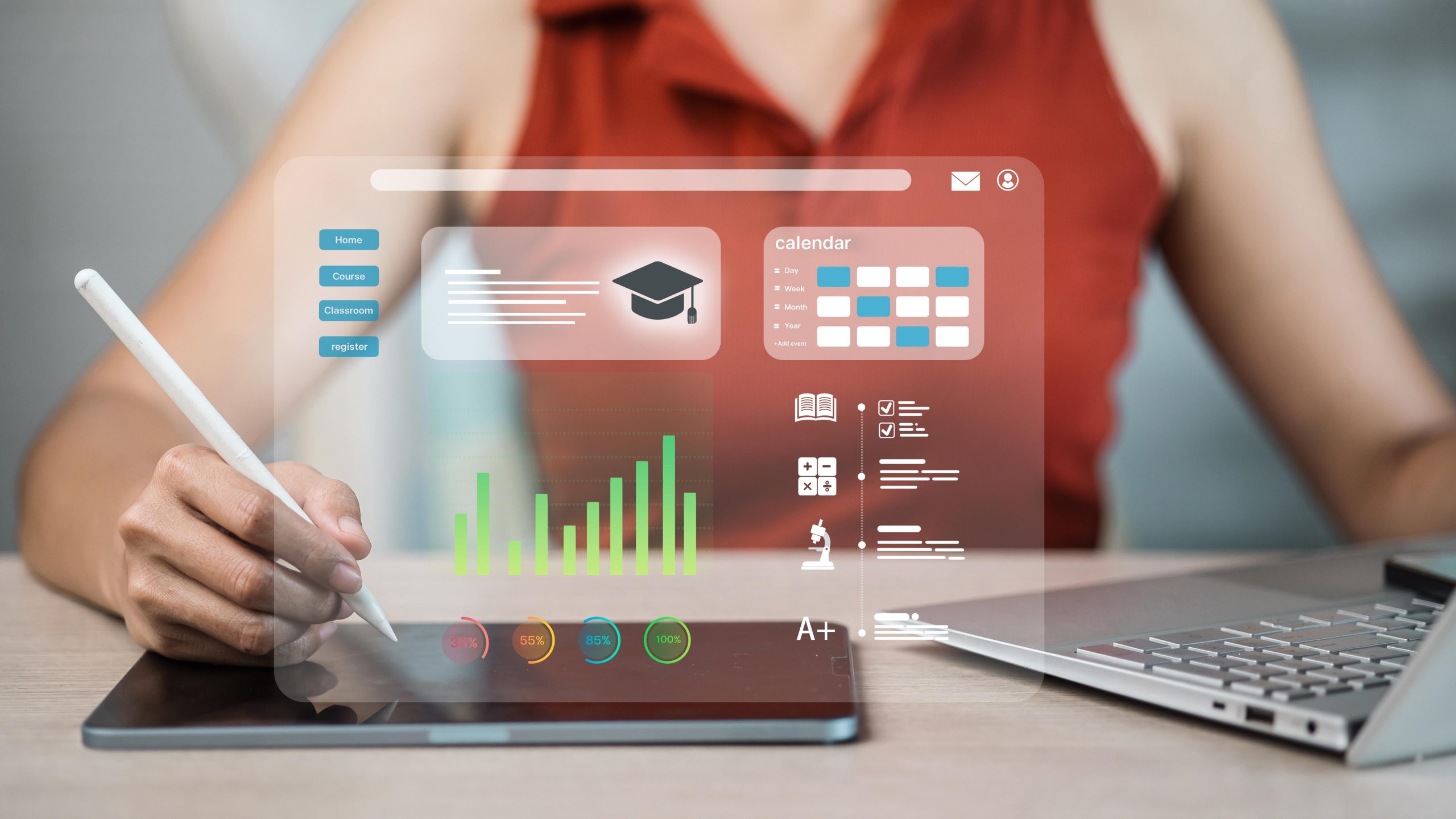
Online education has transformed how students learn, but personalization remains the factor that most strongly influences learning success. While traditional classrooms often rely on generalized instruction, digital environments provide access to learning data that allows educators to tailor lessons to individual needs with remarkable precision.
When used thoughtfully, learning data helps teachers identify patterns, adjust instruction, support struggling learners, and challenge advanced students at the right moment. Instead of delivering identical content to everyone, instructors can create targeted learning experiences that increase engagement and improve outcomes.
Personalizing online lessons using learning data is not about replacing teaching with automation. It is about strengthening instructional decisions through meaningful insight.
What Learning Data Means in Online Education
Learning data refers to the information generated as students interact with digital learning environments. This data provides a detailed picture of how students learn, where they struggle, and how they progress over time.
Common types of learning data include:
- time spent on lessons
- quiz performance
- assignment completion rates
- participation frequency
- click patterns within course materials
- response accuracy trends
- pacing differences between learners
When analyzed correctly, this information helps educators understand learning behavior beyond test scores alone.
Learning data turns observation into evidence. Instead of guessing what students need, instructors can make informed decisions that improve lesson quality and learning efficiency.
Why Personalization Matters in Online Learning
Students rarely learn at the same speed or in the same way. Some prefer visual explanations, while others benefit from structured practice or discussion-based interaction.
Personalized instruction supports learners by:
- reducing frustration caused by mismatched difficulty levels
- increasing motivation through relevant content
- strengthening retention through adaptive pacing
- improving confidence through achievable goals
- encouraging independent learning habits
Online platforms make personalization more practical than ever before because they continuously collect interaction data during learning activities.
When lessons reflect individual needs, students feel understood rather than managed.
How Learning Data Reveals Student Needs
Learning data helps instructors detect patterns that may otherwise remain hidden in traditional classrooms.
For example:
Students who repeatedly pause instructional videos at the same moment may need additional explanation of a concept.
Learners who complete assignments quickly but make repeated errors may benefit from guided practice rather than acceleration.
Students who spend extra time reviewing earlier material may need reinforcement before moving forward.
These insights allow instructors to adjust instruction before problems become long-term barriers.
Early intervention improves both confidence and performance.
Using Diagnostic Data to Shape Lesson Planning
Effective personalization begins before instruction starts. Diagnostic learning data helps teachers identify where students stand at the beginning of a course or lesson sequence.
Diagnostic insights support:
- identifying prerequisite knowledge gaps
- grouping students based on readiness levels
- selecting appropriate lesson difficulty
- planning review activities where needed
- designing flexible learning pathways
Starting with accurate baseline information allows instruction to move forward efficiently rather than repeating material unnecessarily.
Students benefit when lessons begin at the right entry point.
Adapting Lesson Pace Through Real-Time Analytics
One of the strongest advantages of online learning environments is access to real-time performance data.
Real-time analytics help instructors:
- monitor engagement levels during lessons
- detect confusion immediately
- adjust explanations during live sessions
- modify assignment difficulty
- introduce reinforcement activities quickly
Instead of waiting for exam results to measure progress, teachers can respond while learning is still happening.
Responsive pacing helps prevent learning gaps from widening.
Supporting Struggling Learners Through Targeted Intervention
Learning data helps identify students who need extra support early in the learning process.
Indicators that suggest intervention may be needed include:
- repeated incorrect responses
- skipped activities
- extended inactivity periods
- declining participation patterns
- reduced assignment completion rates
Once identified, instructors can provide targeted strategies such as:
- additional examples
- shorter learning segments
- guided practice sessions
- simplified explanations
- structured review checkpoints
Early support increases student persistence and reduces frustration.
Students who feel supported remain engaged longer.
Challenging Advanced Learners Using Performance Insights
Personalization is not only about helping struggling learners. It also ensures advanced students remain intellectually challenged.
Learning data reveals when students:
- complete tasks quickly with high accuracy
- demonstrate consistent mastery
- show readiness for advanced topics
- maintain strong participation levels
Teachers can respond by offering:
- enrichment activities
- extension assignments
- project-based learning tasks
- independent exploration opportunities
- leadership roles in collaborative sessions
Maintaining appropriate challenge levels helps advanced learners stay motivated.
Balanced difficulty encourages continuous growth.
Designing Flexible Learning Pathways
Flexible learning pathways allow students to progress through content in ways that match their strengths and needs.
Learning data supports pathway design by showing:
- which lessons require reinforcement
- where optional practice is beneficial
- which learners are ready to accelerate
- which topics benefit from repetition
Instead of forcing identical progress for everyone, instructors can create structured choices within lessons.
Flexible pathways improve ownership and autonomy.
Students become active participants in their learning journey.
Improving Engagement Through Behavior Data
Engagement patterns reveal whether lessons are capturing student attention effectively.
Behavioral indicators include:
- login frequency
- session duration
- interaction with multimedia content
- discussion participation
- response timing during activities
Low engagement signals may indicate that lessons need adjustment.
Possible improvements include:
- shorter content segments
- increased interactivity
- visual explanations
- collaborative exercises
- clearer learning objectives
Engagement increases when instruction matches student expectations and abilities.
Learning becomes more meaningful when students remain actively involved.
Using Assessment Data to Refine Instructional Strategy
Assessment results provide valuable insight into how well lessons support learning goals.
Instead of treating assessments as final evaluations, instructors can use them as improvement tools.
Assessment data helps teachers:
- identify misunderstood concepts
- evaluate lesson clarity
- adjust instructional sequencing
- strengthen explanation methods
- improve practice activities
Continuous refinement leads to stronger lesson design over time.
Instruction improves when feedback loops remain active.
Balancing Automation With Teacher Judgment
Learning platforms often include automated recommendation systems that suggest activities based on performance patterns.
While automation supports efficiency, human judgment remains essential.
Teachers interpret context that algorithms cannot detect, including:
- emotional engagement
- motivation levels
- learning preferences
- confidence changes
- communication behavior
Combining analytics with professional insight produces stronger personalization outcomes.
Technology supports decisions but does not replace teaching expertise.
Protecting Student Privacy While Using Learning Data
Responsible personalization depends on ethical data practices.
Students and families expect transparency and protection when digital systems collect learning information.
Teachers and institutions should:
- explain how learning data is used
- protect student identity information
- avoid unnecessary data collection
- store records securely
- limit access to authorized educators
Respectful data practices strengthen trust between students and instructors.
Trust supports participation in digital learning environments.
Encouraging Student Reflection Through Data Awareness
Students benefit when they understand their own learning patterns.
Sharing progress data with learners helps them:
- recognize strengths
- identify improvement areas
- adjust study strategies
- set achievable goals
- monitor growth over time
When students see learning data as a guide rather than a judgment tool, they become more independent learners.
Self-awareness strengthens long-term academic success.
Supporting Collaborative Learning With Group Data Insights
Learning data also improves collaboration strategies.
Group-level insights help teachers:
- form balanced learning teams
- assign complementary roles
- match peer support partners
- identify discussion leaders
- strengthen cooperative problem solving
Well-designed collaboration improves communication skills and reinforces understanding.
Students benefit from both individual and group personalization strategies.
Building Long-Term Learning Profiles for Continuous Improvement
Over time, learning data creates detailed learning profiles that help instructors understand student development across multiple lessons or courses.
Long-term profiles reveal:
- consistent learning strengths
- recurring challenges
- pacing preferences
- participation trends
- skill progression patterns
These insights support better instructional planning in future lessons.
Personalization becomes more effective when based on long-term observation rather than single-session performance.
Sustained insight leads to sustained improvement.
Conclusion
Personalizing online lessons using learning data allows educators to move beyond one-size-fits-all instruction and respond directly to student needs. When used thoughtfully, learning analytics help teachers adjust pacing, strengthen engagement, provide targeted support, and challenge advanced learners appropriately.
Effective personalization combines technology insight with instructional expertise. Teachers remain central to interpreting data, shaping lessons, and building meaningful learning experiences. When learning data supports thoughtful decision-making, online education becomes more responsive, efficient, and impactful for every student.
Frequently Asked Questions
1. What types of online platforms provide learning data for lesson personalization
Most learning management systems, virtual classrooms, and adaptive learning platforms provide analytics dashboards that track participation, progress, and assessment results to support personalization decisions.
2. Can learning data help personalize lessons for younger students
Yes. Learning data can identify pacing needs, engagement patterns, and comprehension levels in younger learners, helping teachers adjust instruction appropriately for age and readiness.
3. How often should instructors review learning data during a course
Reviewing data weekly allows instructors to respond quickly to changes in performance and engagement while maintaining consistent lesson planning adjustments.
4. Does personalization using learning data increase teacher workload
Initially it may require extra planning time, but over time structured analytics simplify decision-making and improve instructional efficiency.
5. How can instructors avoid relying too heavily on automated recommendations
Teachers should compare automated suggestions with classroom observation, student communication, and professional judgment before making instructional changes.
6. Can learning data support students preparing for standardized assessments
Yes. Performance trends reveal which skills require reinforcement, allowing instructors to focus preparation on areas with the greatest impact on assessment readiness.
7. What skills do educators need to interpret learning analytics effectively
Educators benefit from developing skills in pattern recognition, instructional planning, assessment interpretation, and digital platform navigation to use analytics successfully.