

Why The First Primary Years Need The Right School Environment
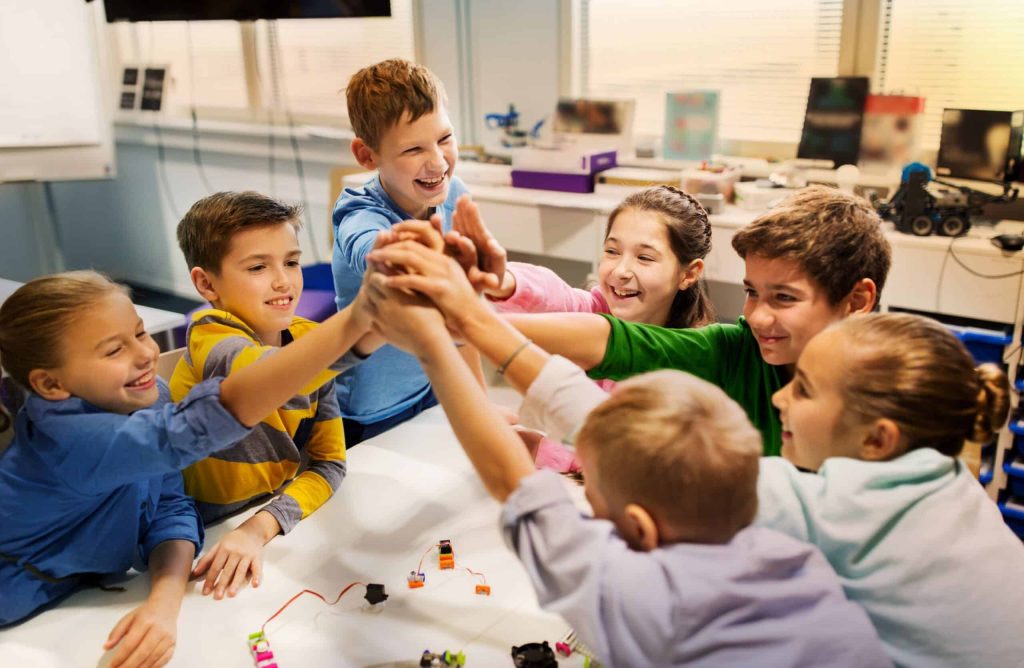
The early primary years are a time of rapid change. Children are becoming more independent, developing friendships, building confidence with reading and numbers, and learning how to manage classroom routines with greater responsibility. Choosing an international school KS1 in Khung Thonburi can give families a supportive setting where young learners can grow academically, socially and emotionally during these important first school years.
Key Stage 1 Builds Core Learning Habits
Key Stage 1 is not only about covering early reading, writing and maths. It is also when children begin to understand how learning works. They learn to listen carefully, follow instructions, ask questions, work with others and keep trying when something feels difficult.
These habits can shape how children approach school for years to come. A child who feels encouraged during early literacy may become more willing to read independently. A child who gains confidence with numbers may be less anxious when maths becomes more complex. A child who learns that mistakes are part of learning is more likely to take healthy risks in class.
Good teaching at this stage needs patience and structure. Children need clear routines, but they also need warmth, creativity and enough variety to stay engaged.
Young Children Need A Calm Transition Into Formal Learning
The move from early years into Key Stage 1 can feel significant. Lessons may become more structured, expectations increase and children may be asked to concentrate for longer periods. This transition works best when it is handled gradually.
A strong KS1 environment recognises that young children are still learning through movement, play, conversation and exploration. Formal learning should not remove curiosity. Instead, it should build on it.
Teachers can help by using practical activities, stories, discussion, visual resources and hands-on tasks. This gives children different ways to understand new ideas before moving towards more independent work.
Language Development Matters In Every Subject
For children in an international school, language development is especially important. Some pupils may speak English confidently already, while others may be building fluency alongside their wider learning.
In Key Stage 1, language supports almost everything. Children need vocabulary to explain their thinking, understand stories, solve problems, follow instructions and make friends. Strong language support helps them access the curriculum more confidently.
This does not only apply to English lessons. Science, maths, art, geography and classroom routines all introduce new words and concepts. Teachers need to make language visible, repeat key vocabulary and give children chances to use new words in meaningful ways.
Friendships Help Children Feel Secure
Academic progress matters, but young children also need to feel socially settled. Friendships can affect how much they enjoy school, how confidently they join activities and how comfortable they feel trying new things.
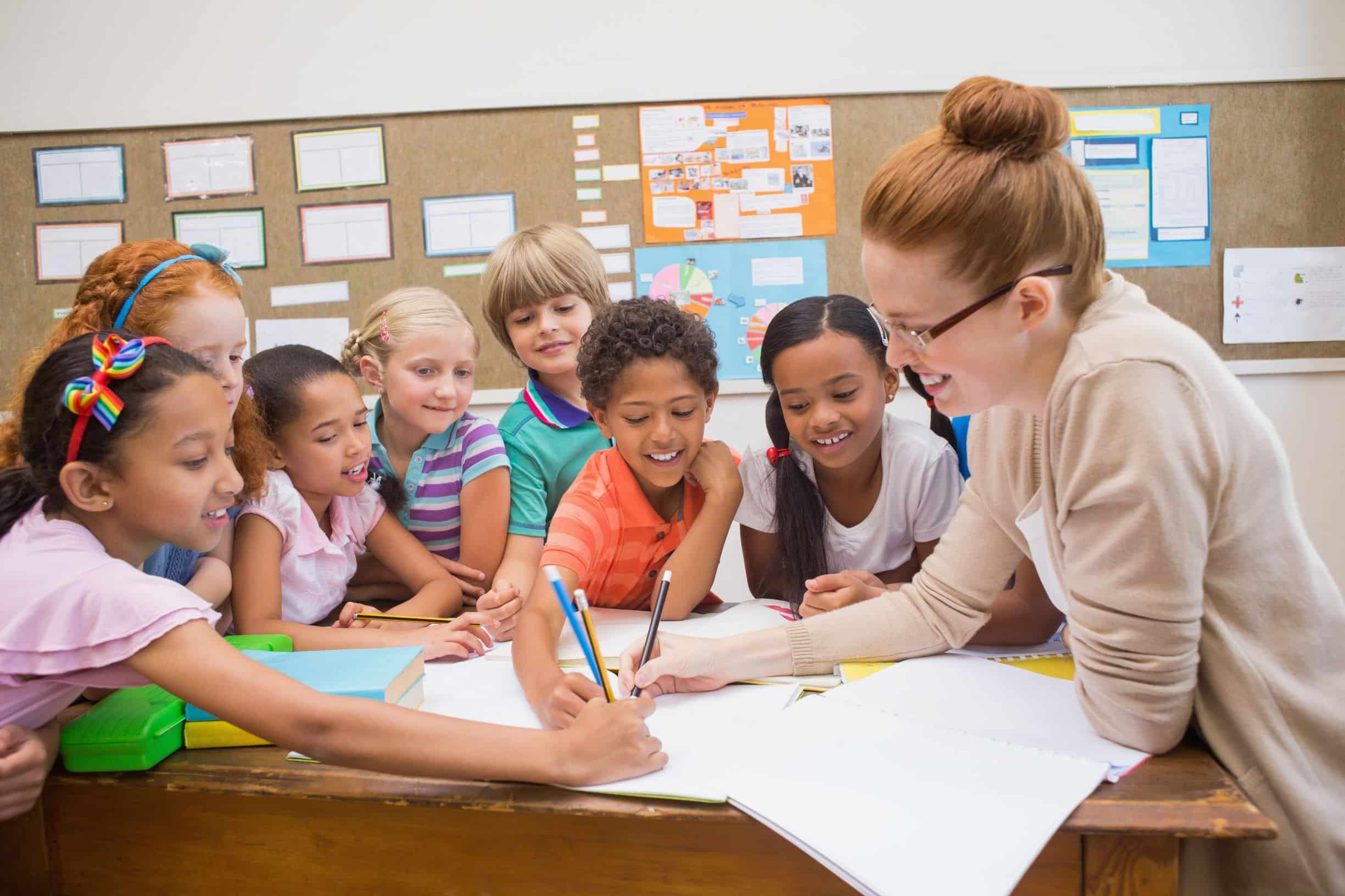
A good KS1 setting gives children opportunities to work, play and talk with different classmates. Teachers can support social development by modelling kindness, helping children solve small conflicts and encouraging respectful communication.
For families moving to Bangkok or changing schools within the city, this social support can be particularly valuable. A child who feels included is more likely to settle into the school day and engage fully with learning.
Location Can Make Daily Routines Easier
School choice is also practical. In Bangkok, daily travel can affect family life significantly. A school in Khung Thonburi may suit families living nearby or those looking for a location that supports a manageable school run.
Shorter, simpler journeys can make mornings calmer and afternoons less tiring. For young children, this matters. A long commute can affect energy, mood and readiness to learn, especially at the end of a busy school day.
When families choose a school, the daily routine should be considered alongside the curriculum. A strong education is easier to support when the wider rhythm of family life feels sustainable.
Confidence Grows Through Consistent Support
The best Key Stage 1 experience helps children feel capable. They should leave each week with new knowledge, but also with a stronger belief that they can learn, contribute and improve.
That confidence is built through many small moments: reading a sentence independently, solving a maths problem, joining a group task, making a friend or explaining an idea to the class. When teachers recognise and support these steps, children begin to see themselves as learners.
Early primary education should feel purposeful, caring and carefully paced. With the right environment, children can build the foundations they need for the next stage of school while still enjoying the curiosity and energy of early childhood.


